Top 10 AI-Powered SEO Agencies in Noida (2026 Updated List)
The way digital marketing experts used to implement SEO…
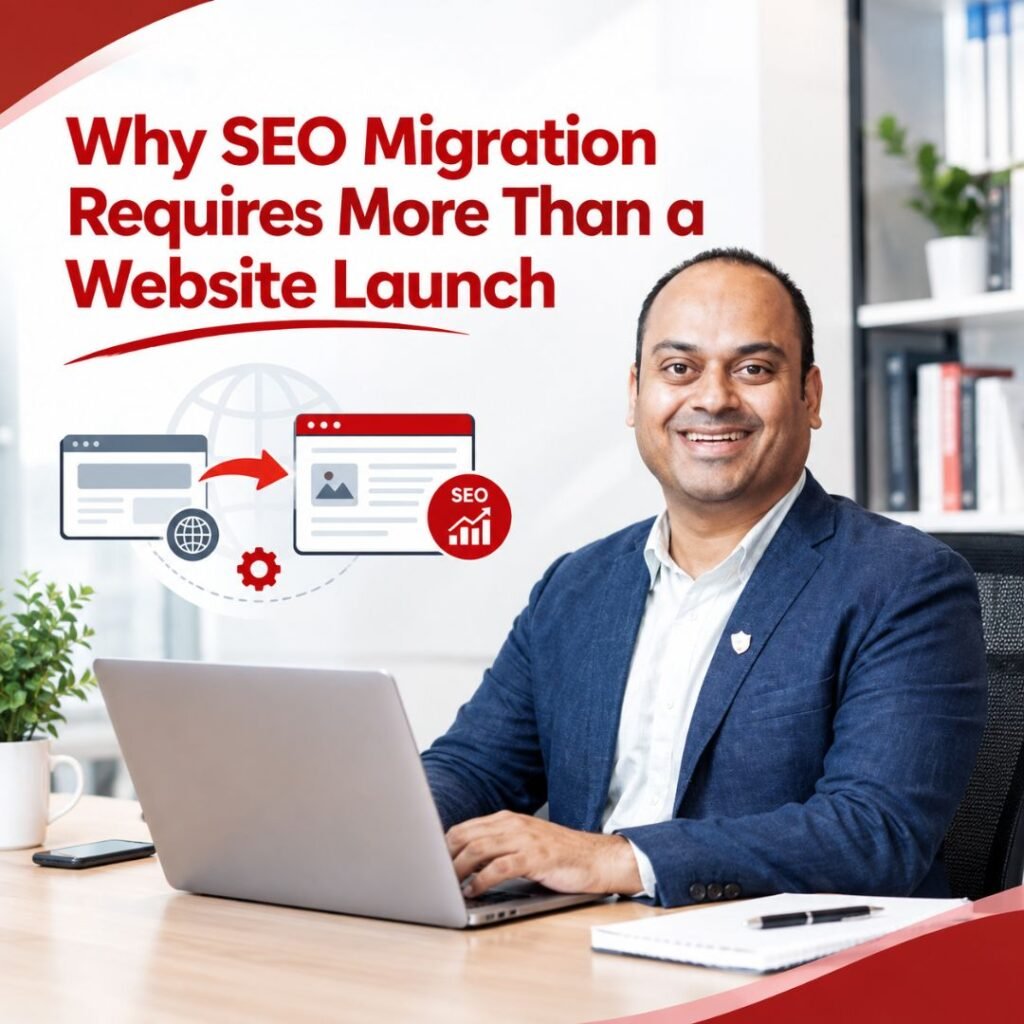
I ensure website migration SEO should move your business forward, not bringing your organic traffic backwards.
With 14+ years of SEO experience, I help businesses plan and execute migrations with SEO at the centre of the process. Whether you are changing your domain, redesigning your website, moving to a new CMS, switching platforms, migrating an eCommerce store, or moving from HTTP to HTTPS, I focus on protecting your existing search visibility while creating a stronger technical foundation through reliable website migration SEO services for future growth.
Planning a website migration? Talk to me before development or deployment begins. A few hours of SEO planning can prevent months of ranking recovery work.
I have seen businesses invest heavily in a new website only to discover after launch that important pages have disappeared from Google’s index, redirects are missing, internal links are broken, or organic traffic has dropped sharply.
The problem is usually not the new website itself. The problem is that SEO requirements were treated as a final checklist rather than part of the SEO migration strategy.
My approach to website migration SEO combines technical auditing, URL mapping, redirect planning, crawlability checks, analytics validation, launch QA, and post-migration monitoring.
A migration changes URLs, page structures, templates, technologies, internal links, content, metadata, server configurations, or domain signals. Search engines need to understand what changed and where the old signals should move.
That is why I involve website SEO before the migration, not after something goes wrong.
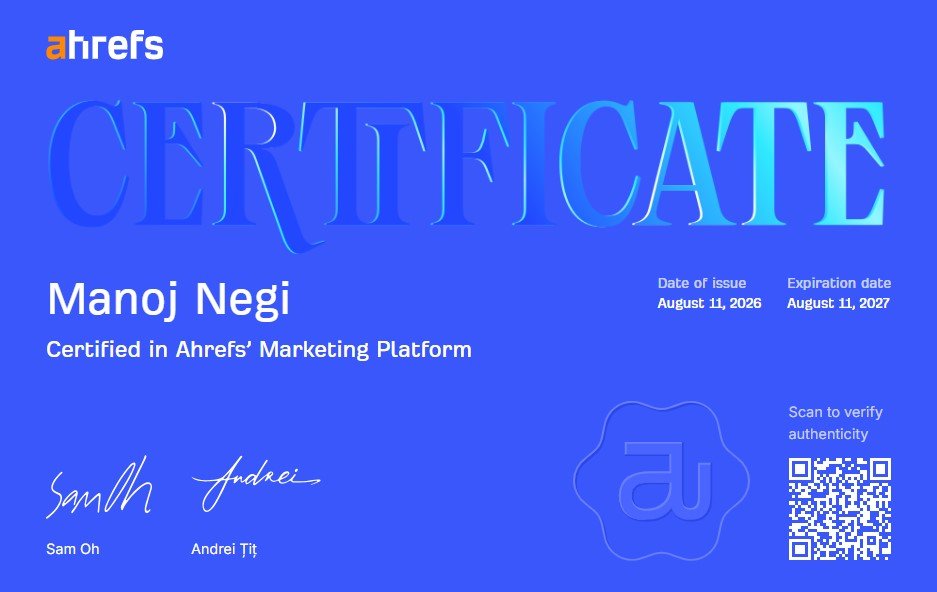
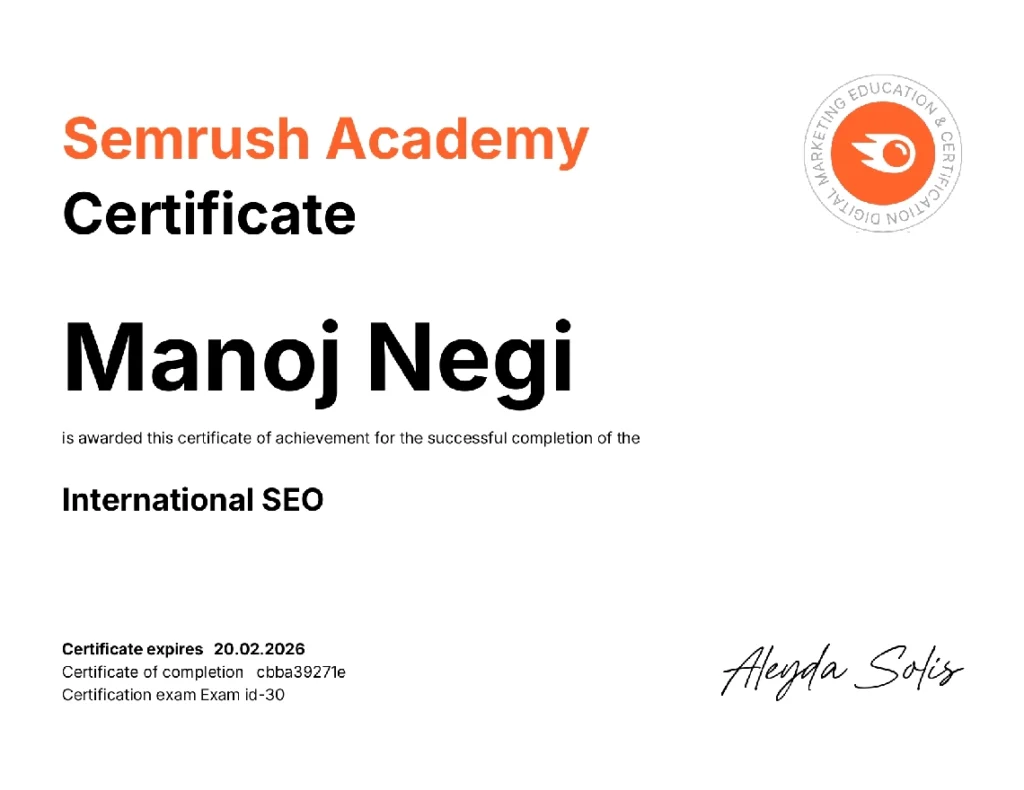
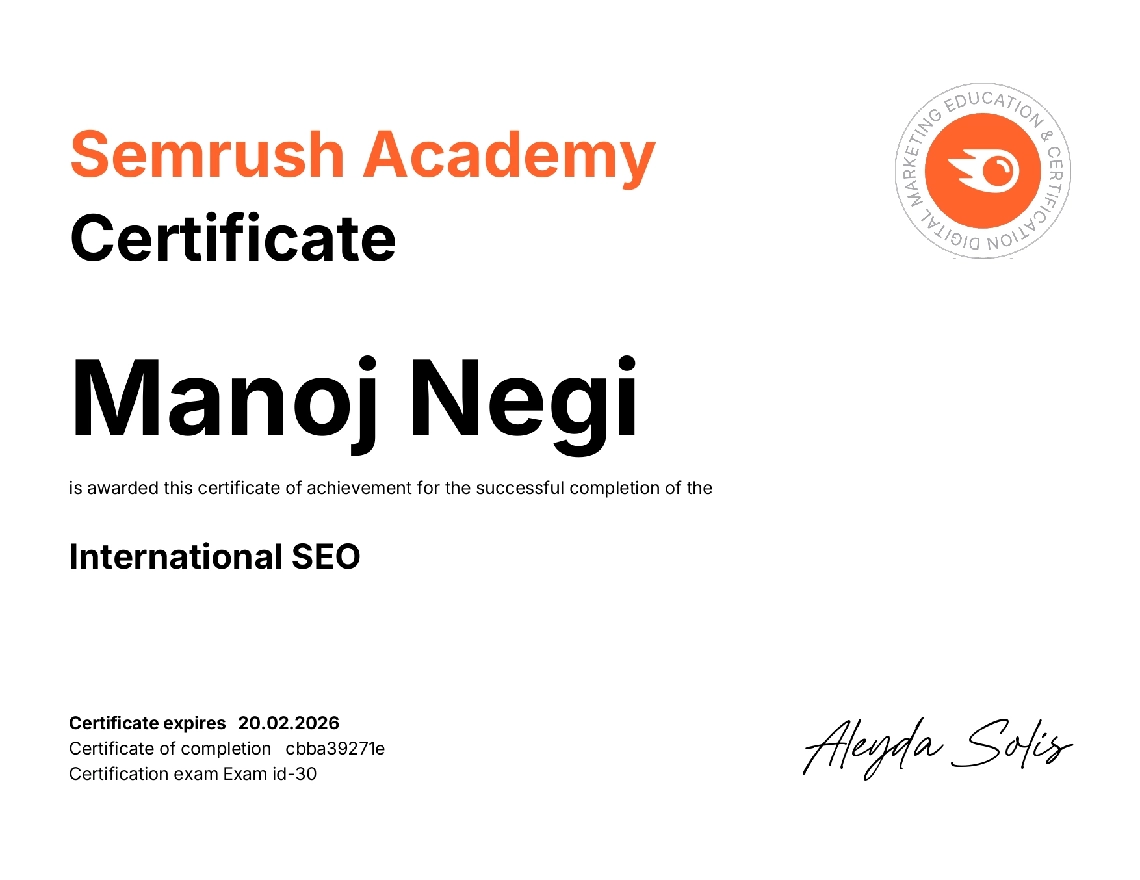
I’m a Certified SEO Specialist in India, with certifications and professional training from HubSpot Academy, Ahrefs Marketing Platform, and Semrush Academy. My approach combines technical SEO knowledge with AI-driven search strategies to help businesses adapt to an evolving search landscape.
I’ve also created a comprehensive 100-step SEO checklist to help businesses identify key optimization opportunities and build a stronger search presence.
Website SEO migration is the process of managing the search engine implications of moving, redesigning, restructuring, or otherwise changing a website.
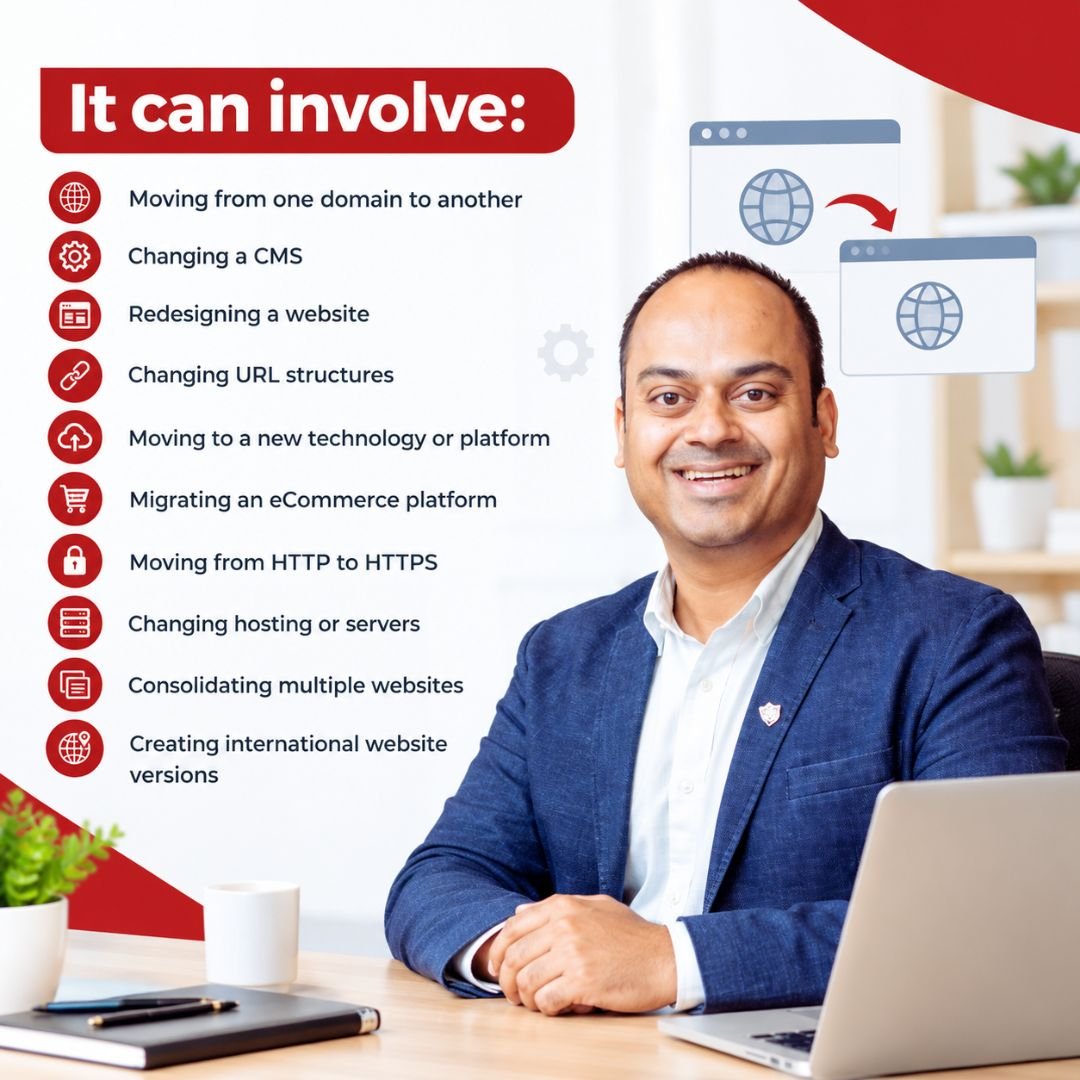
It can involve:
For example, if your old URL is: example.com/services/seo-audit and the new website uses: example.com/seo-services/audit
The migration needs to establish a clear relationship between these URLs. This is where 301 redirects, URL mapping, canonical tags, internal links, XML sitemaps, and indexing controls become critical.
The larger the technical or structural change, the more important it becomes to create a documented website, platform, or domain migration SEO plan before launch.
A successful migration protects more than rankings. Organic search may drive leads, sales, enquiries, subscriptions, and brand discovery.
A poorly managed website migration can result in:
Search engines may temporarily or permanently lose confidence in important pages when URLs, content, or signals change without proper mapping.
Incorrect, missing, or poorly implemented 301 redirects can leave valuable backlinks and historical URL signals disconnected from their new destinations.
A misplaced noindex directive, incorrect canonical tag, blocked resource, or problematic robots.txt rule can prevent important pages from being crawled or indexed.
When the navigation, contextual links, and content still reference old URLs, users and search engines can encounter unnecessary redirects or 404 pages.
Even technically small migration errors can affect thousands of URLs on larger websites.
For businesses dependent on organic leads or transactions, traffic loss quickly becomes a commercial issue.
“I believe that migration SEO success should be measured by business continuity, not simply whether the new website loads correctly.”
Whether delivering CMS migration SEO services, domain migration SEO services, or others, I use a structured migration workflow designed to identify risk before it becomes an expensive post-launch problem.
I crawl and analyse the existing website to understand its current SEO footprint.
This includes important URLs, organic landing pages, metadata, backlinks, redirects, indexability, canonicals, internal links, structured data, and technical issues.
Before changing anything, I establish a baseline.
I look at organic traffic, rankings, indexed URLs, conversions, top landing pages, branded and non-branded visibility, crawl data, and other relevant SEO metrics.
Without a baseline, it becomes difficult to determine whether a migration has actually affected performance.
Old URLs are mapped to their most relevant new destinations.
I do not recommend sending every old URL to the homepage simply because it is convenient. The destination should make sense to both users and search engines.
The new environment is tested before it goes live.
I review redirects, canonicals, robots.txt, XML sitemaps, metadata, structured data, internal links, page accessibility, and other critical SEO elements.
Launch day is treated as a controlled SEO event.
The objective is to make sure the production environment reflects the tested configuration and that important SEO controls have not changed during deployment.
After launch, I crawl the live website and compare it against the migration plan.
I check redirects, status codes, indexability, canonicalisation, internal links, sitemap health, and other technical signals.
Search Console, analytics, rankings, crawling, and conversions are monitored to identify unexpected changes.
If something goes wrong, the priority is diagnosis, not panic.
I identify whether the decline is caused by technical accessibility, redirects, indexing, content changes, URL changes, or another migration factor before recommending corrective action.
“My Website SEO Migration Framework follows a simple principle: understand the old website, prepare the new one, control the transition, validate immediately, and monitor continuously.”
I identify important existing URLs and determine their appropriate destinations on the new website.
It helps preserve URL-level relevance and reduces unnecessary 404 errors and redirect chains.
Your existing organic assets have a planned path into the new website.
I develop and review redirect rules for URLs that have permanently moved.
Search engines need clear signals about where an old URL has moved.
Proper redirect implementation helps protect the SEO value associated with important legacy URLs.
Canonical tags are checked to ensure the preferred version of each page is clearly identified.
Migration can accidentally create duplicate or conflicting URL signals.
Cleaner canonicalisation supports better crawling and indexing.
I review XML sitemaps and robots.txt directives before and after launch.
These files influence how search engines discover and access your website.
Critical pages are easier to discover while unnecessary areas can remain controlled.
I validate tracking and search performance data across the migration.
Incorrect analytics or Search Console configuration can make genuine problems difficult to diagnose.
You retain visibility into traffic, search performance, and conversions.
Navigation, contextual links, breadcrumbs, and other internal links are checked.
Internal links help users and search engines discover important pages.
Better site connectivity supports both usability and organic visibility.
Relevant structured data is reviewed after migration.
A redesign or platform change can remove or alter existing schema implementation.
Better site connectivity supports both usability and organic visibility.
I assess technical performance and Core Web Vitals where relevant.
A new design can introduce heavier scripts, images, or templates.
Faster, more stable pages can support better user experience and technical quality.
The work does not end when the website goes live.
I monitor important SEO signals and investigate unexpected changes.
Problems can be identified early instead of becoming long-term traffic losses.
“Every migration is different. I create a migration strategy based on your website size, technology, URL structure, business goals, and SEO risks.”
Not every migration carries the same level of risk.
The risk increases when multiple variables change simultaneously.
“I always suggest reducing the number of major SEO variables changing at the same time, when possible. Controlled change makes migration risks easier to identify and manage.”
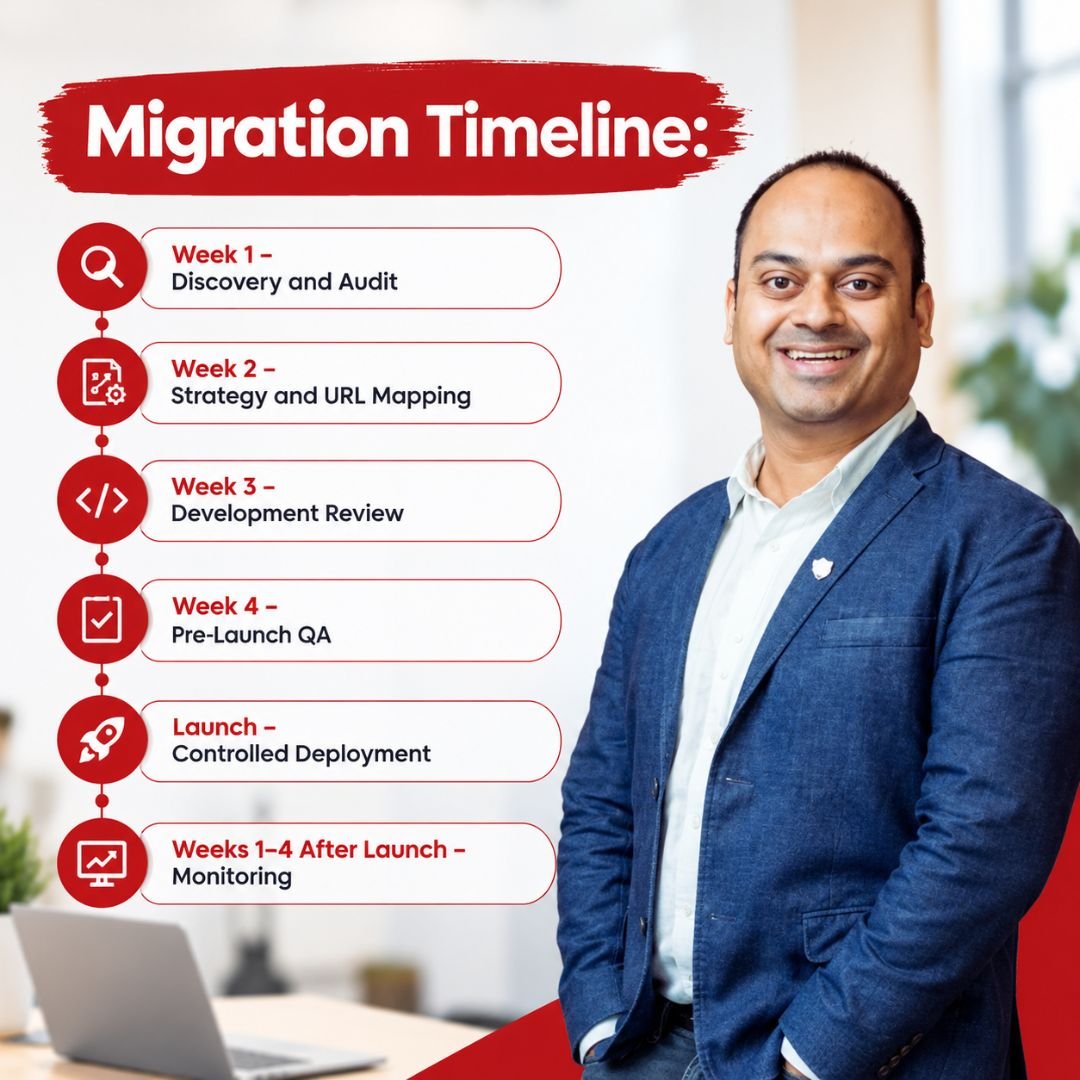
A typical migration may follow this structure:
Understand the current website, SEO footprint, and migration objectives.
Create migration rules, URL mappings, and technical requirements.
Review staging implementation and work directly with developers where required.
Test redirects, canonicals, sitemap, robots.txt, metadata, links, schema, and tracking.
Validate critical SEO elements immediately after deployment.
Track organic performance, crawlability, indexing, rankings, traffic, and conversions.
Actual timelines depend on website size, migration complexity, development resources, and the number of URLs involved.
Some of the most common problems I assess during my website migration services include:
A migration becomes much safer when these risks are identified before launch.
The first day is about validation, not celebration.
I recommend prioritising:
Confirm the website is accessible to users and search engines.
Test priority old URLs and confirm that redirects reach the intended destinations.
Check robots.txt, canonical tags, and indexability.
Submit or validate the new XML sitemap.
Verify Google Search Console and analytics data.
Crawl the live website for technical errors.
Check high-value organic landing pages manually.
Monitor server errors, 404s, and unexpected redirect behaviour.
A traffic decline does not automatically mean the migration has failed.
Search engines require time to process significant changes. However, a sudden or substantial decline deserves investigation.
My Emergency SEO Recovery Plan begins with diagnosis:
Compare the timing of the decline against the deployment date.
Look for missing redirects, wrong destinations, and status-code issues.
Review robots.txt, meta robots, and canonical signals.
Look for indexing, crawling, and performance changes.
Identify which pages, directories, or templates experienced the largest decline.
Determine whether valuable content was removed, shortened, or substantially rewritten.
Fix high-impact technical issues first rather than changing everything simultaneously.
Experiencing a Post-Migration Traffic Drop?
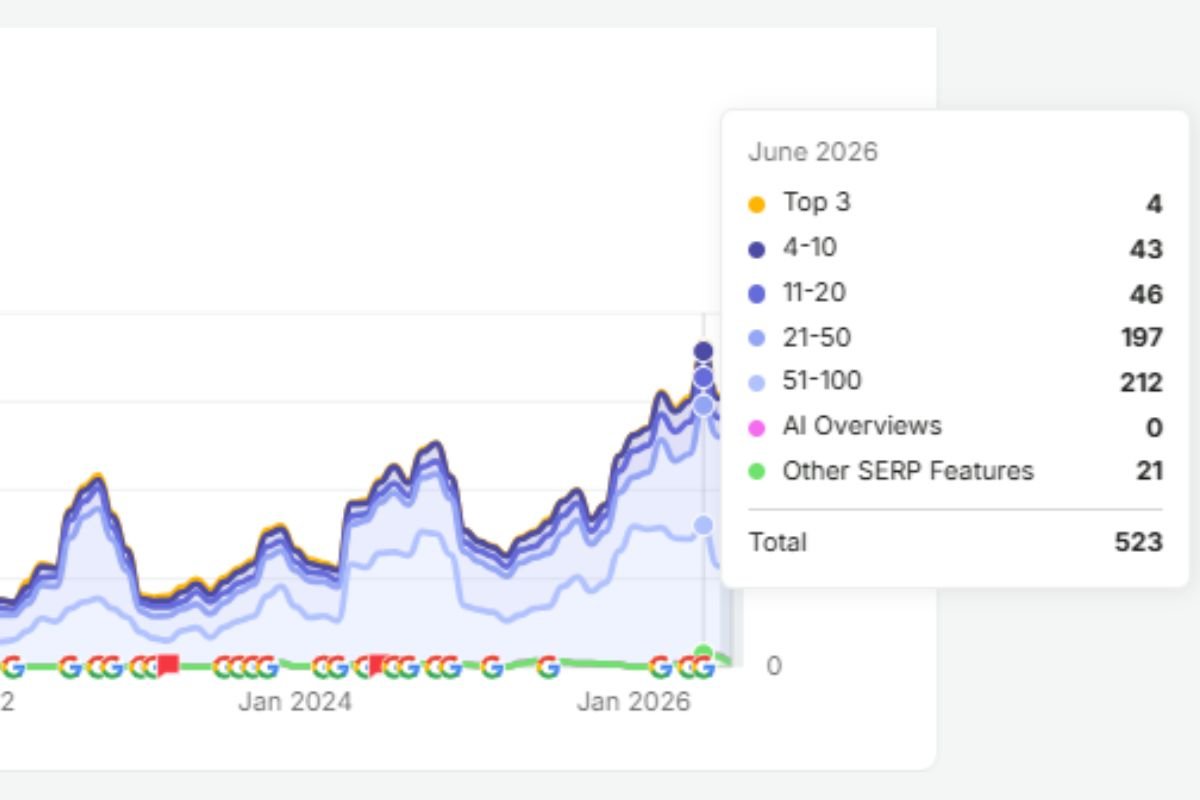
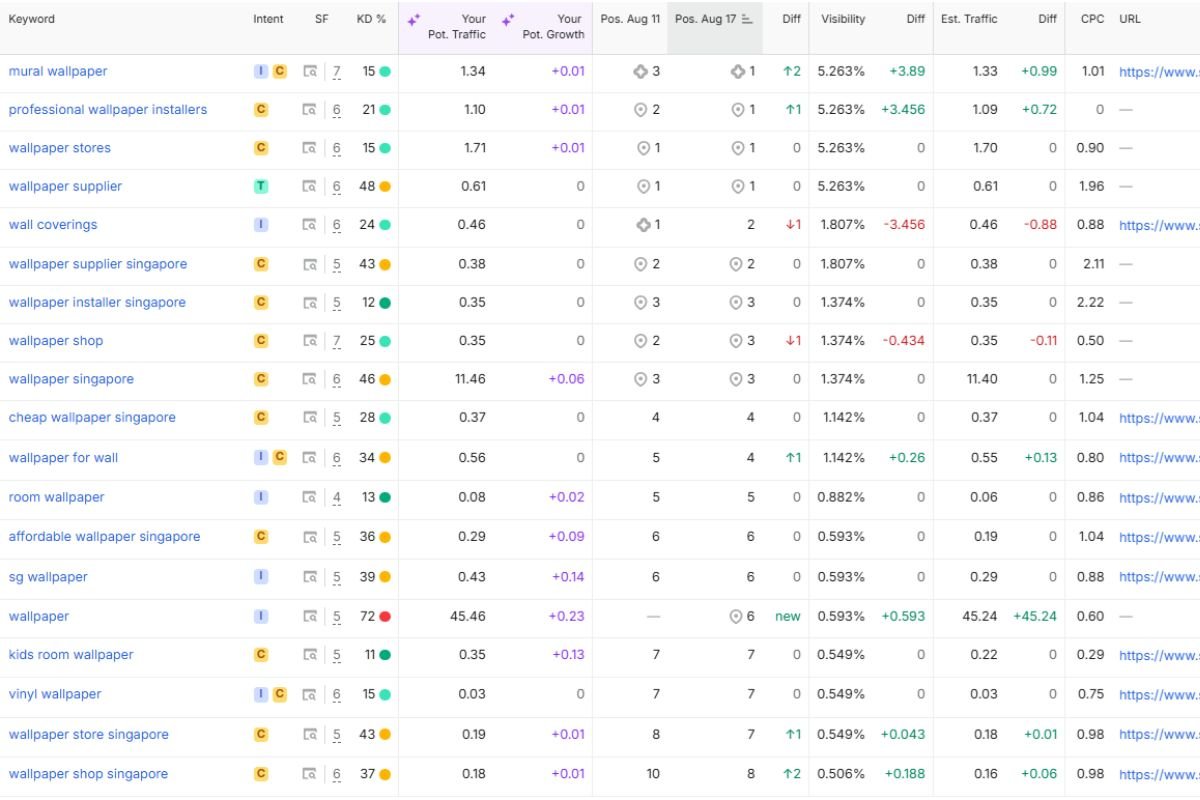
Sen Wall Coverings had an established ASP.NET website with separate desktop and mobile experiences, limited SEO flexibility, competitive Singapore wallpaper keywords, and migration risks involving URLs, redirects, and indexing.
I migrated the website from ASP.NET to WordPress while integrating SEO into the migration. The strategy included URL and keyword mapping, technical SEO, website architecture improvements, commercial page optimisation, content development, internal linking, and contextual authority building.
The website achieved multiple Google #1 and Top 3 rankings, strong Page 1 visibility, and 523 ranking keywords by June 2026, including 47 keywords on Google’s First page.
The migration created a stronger SEO foundation and expanded organic visibility across commercial and informational searches, supporting more opportunities to attract qualified customers.
Anergy Building Services had poor website architecture, buried service pages, keyword cannibalisation, and weak internal linking, limiting its Google visibility despite years of SEO efforts.
The website was strategically restructured with search-intent-based keyword mapping, clearer service silos, improved navigation, contextual internal linking, optimised service pages, and technical SEO checks to protect crawlability and rankings during restructuring.
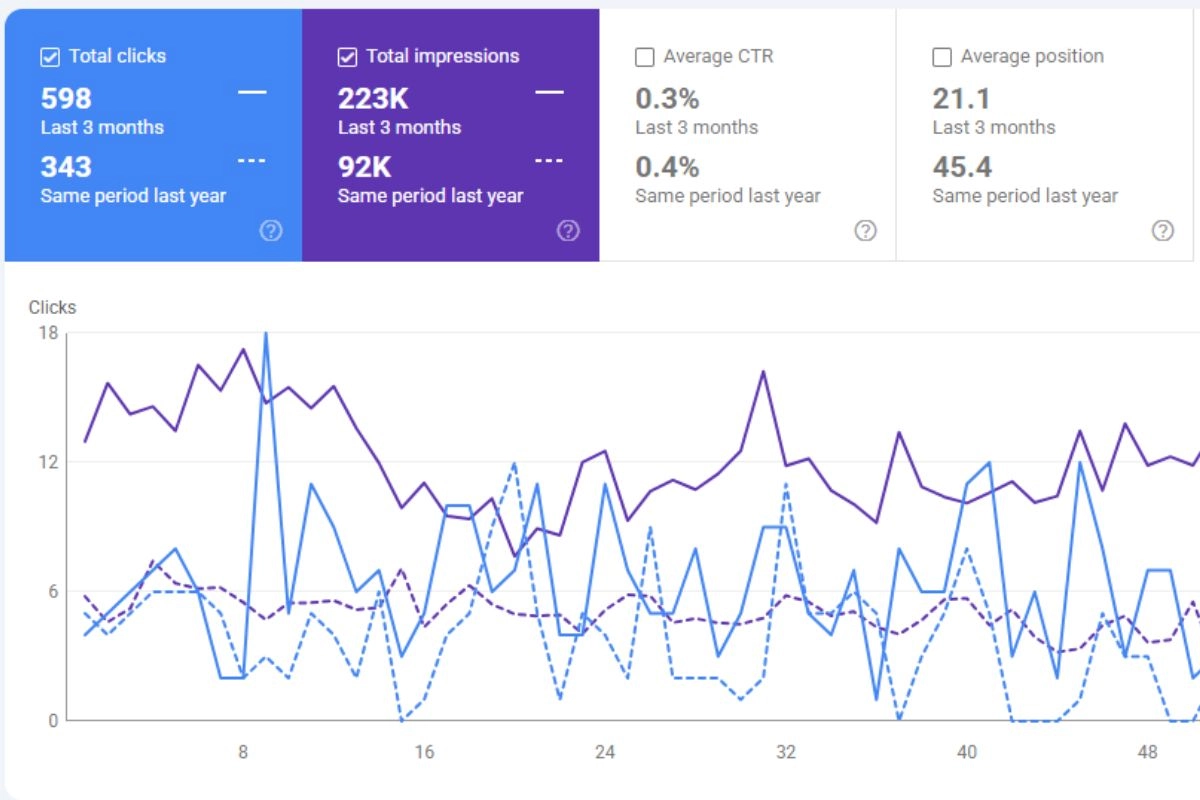
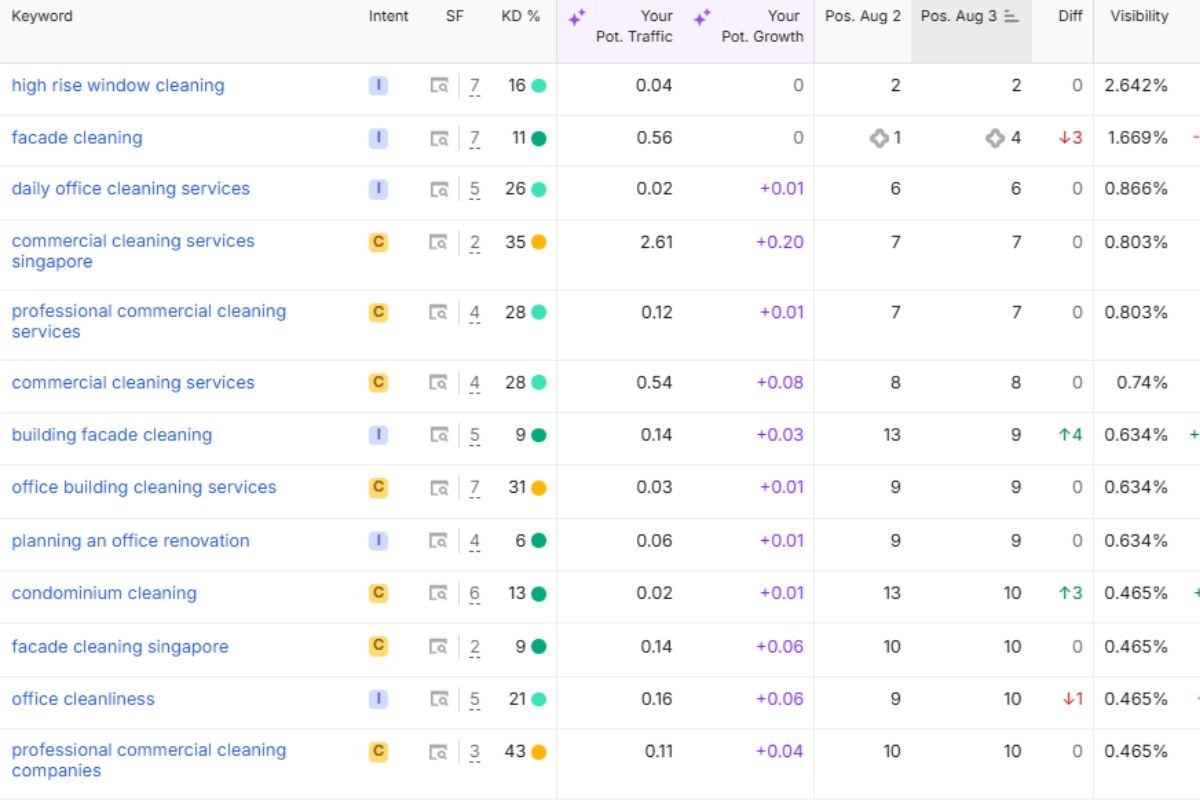
Organic clicks increased 74.3%, impressions grew 142.4%, and average position improved from 45.4 to 21.1, with multiple commercial keywords reaching Google’s Top 10.
The restructuring transformed Anergy’s stagnant website into a stronger, more visible lead-generation asset.
A migration is not the right time for generic SEO advice.
You need someone who can understand the commercial objective, communicate with developers, and translate technical SEO requirements into practical actions.
Here’s why I could be your trusted SEO migration consultant:
Website migration SEO is the process of planning, implementing, and monitoring SEO changes when a website's domain, URLs, CMS, platform, architecture, or technical environment changes.
Start migration SEO planning before development, benchmark existing performance, map old URLs to new destinations, implement appropriate 301 redirects, and thoroughly test the new website before and after launch.
Domain Migration SEO manages the search-engine transition when a website moves from one domain to another. It typically includes URL mapping, redirects, canonical checks, sitemap updates, internal-link validation, and post-launch monitoring.
In most permanent URL or domain changes, properly implemented permanent redirects are an important part of communicating the relationship between old and new URLs.
It depends on website size and complexity. A small website may require a relatively short preparation period, while enterprise or eCommerce migrations can require several weeks or longer.
Yes, but website redesign SEO needs to be included in the redesign process. Changes to URLs, content, internal links, metadata, and technical architecture can affect organic performance.
Old URLs may return errors or fail to transfer users and search-engine signals to the appropriate new pages. The impact depends on how important those URLs were.
No. Redirects should generally lead users and search engines to the most relevant equivalent destination rather than sending unrelated URLs to the homepage.
It can. CMS migration may alter URLs, metadata, templates, schema, navigation, page speed, internal linking, and indexing controls.
Ideally, before development begins. Early involvement gives SEO requirements time to influence architecture, URL planning, and implementation.
Use Google Search Console, Google Analytics, ranking data, crawl analysis, and conversion data to compare post-launch performance against the pre-migration baseline.
Recovery depends on the cause of the decline. If the problem is technical, correcting redirects, indexing, canonicalisation, or other migration issues may help. If content or architecture changed substantially, a broader SEO strategy may be necessary.
It is extremely useful for monitoring search visibility, indexing, and technical signals before and after launch.
When URLs or site architecture change, the XML sitemap should be reviewed and updated so it accurately represents the preferred indexable URLs on the new website.
Treating SEO as a post-launch activity. By the time traffic has dropped, fixing the underlying migration problem can be much harder than preventing it.
Access my latest SEO insights & digital marketing updates to stay ahead in search.
The way digital marketing experts used to implement SEO…

As we have stepped into the digital age, the…

Search engine optimization has changed significantly in the last…
Your website may be changing, but your SEO foundation does not have to disappear with it.
Whether you are planning a domain migration, CMS migration, website redesign, eCommerce migration, or complete platform change, my site migration services can help you understand the risks, create a practical migration roadmap, and validate the implementation before and after launch.
Don’t wait until rankings fall to start investigating what went wrong.
Mon - Fri: 9:00AM - 7:00PM
Sat - Sun & PH: Off
C-1802, Aishwaryam, Sector 16C, Gaur City 2, Greater Noida, Uttar Pradesh, 201009
Copyright © 2026 Manoj Negi. All Rights Reserved.
Registration Number : 09AFCPN1166M1Z6